Men's Health After 40: Understanding Your Body's Changes
Physical fitness and wellness for middle-aged men. Explore how your body changes, why energy shifts, and what daily habits can support your vitality, stamina, and overall well-being.
Signs Many Men Notice After 40
Changes in your physical response, energy levels, and sexual health are natural—but understanding them is the first step toward maintaining vitality and wellness through this life stage.
Lower Energy Levels
Waking up less refreshed or feeling fatigue by midday is common. Reduced testosterone, changes in sleep quality, and lifestyle habits all play a role in how energized you feel throughout the day.
Changes in Erectile Stability
Erections may not be as firm, consistent, or quick to respond as in younger years. This shift in sexual response is tied to blood vessel changes, hormonal fluctuations, and overall cardiovascular health—all natural parts of aging.
Sleep Quality Shifts
Many men experience lighter sleep, more frequent waking, or difficulty staying asleep. Poor sleep recovery cascades into lower energy, mood changes, and reduced sexual function throughout the day.
Stress Impact
Stress at work and home can directly suppress sexual response and drain energy. Cortisol elevation affects sleep, digestion, and hormonal balance—creating a cycle that intensifies fatigue and reduces stamina.
Reduced Physical Stamina
Muscles recover more slowly, workouts feel harder, and cardiovascular endurance may decline. Sedentary habits and muscle loss compound these effects, making regular physical activity even more critical.
Digestive & Metabolic Changes
Weight gain becomes easier, metabolism slows, and digestion may feel less efficient. These changes directly impact energy, sexual health, and prostate wellness in ways many men overlook.
Lifestyle Factors That Shape Male Health After 40

Sleep and Recovery
Quality sleep is the foundation of male health. During deep sleep, testosterone is produced, muscles repair, and the nervous system resets. Men over 40 who sleep only 5–6 hours per night experience significant drops in testosterone, which directly impacts energy, muscle maintenance, and sexual function. Interrupted sleep—waking multiple times—prevents reaching restorative REM and deep sleep stages.
Sleep apnea becomes more common after 40 and reduces oxygen to the brain and heart. Poor sleep also weakens immunity, increases inflammation, and disrupts hormonal balance. Establishing a consistent sleep schedule (bedtime and wake time), a cool dark bedroom, and limiting screens before bed can dramatically improve recovery and energy.
- Target 7–9 hours nightly for optimal testosterone and muscle recovery
- Consistent sleep schedule strengthens circadian rhythm and hormone timing
- Cool, dark bedroom (below 65°F) promotes deep sleep and REM cycles

Stress Control and Sexual Health
Chronic stress floods the body with cortisol, a hormone that suppresses testosterone and nitric oxide production. Nitric oxide is essential for blood vessel dilation and strong erections. When cortisol stays elevated, erectile response weakens, libido drops, and energy plummets. Men under constant work or relationship stress often report the most dramatic shifts in sexual stamina and response.
Stress also damages the gut lining, reducing absorption of key nutrients needed for prostate health, energy metabolism, and cardiovascular function. The stress-energy-sexual health cycle becomes a downward spiral unless actively interrupted. Meditation, breathing exercises, time in nature, and hobby engagement all lower cortisol and restore resilience.
- Daily stress relief (10–20 min meditation, walks) maintains testosterone and nitric oxide
- Breathing exercises activate parasympathetic nervous system and lower cortisol
- Hobbies and social time boost mood and sexual confidence
Physical Activity: The Pillar of Male Vitality
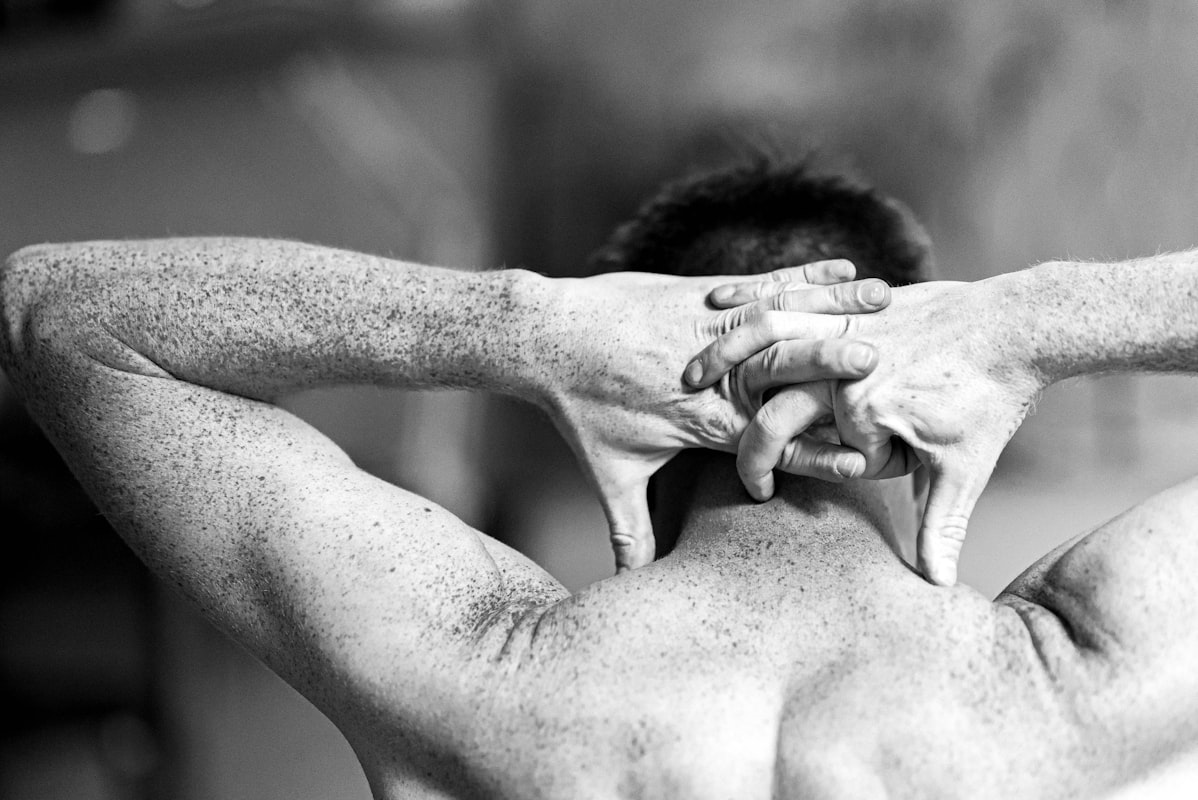
Regular exercise is the single most powerful habit for maintaining energy, erectile stability, and overall health after 40. Cardiovascular exercise (running, cycling, swimming) strengthens blood vessels, improves blood flow to the penis, and boosts nitric oxide production—directly supporting erection quality and duration. Resistance training preserves muscle mass, increases testosterone naturally, and improves body composition.
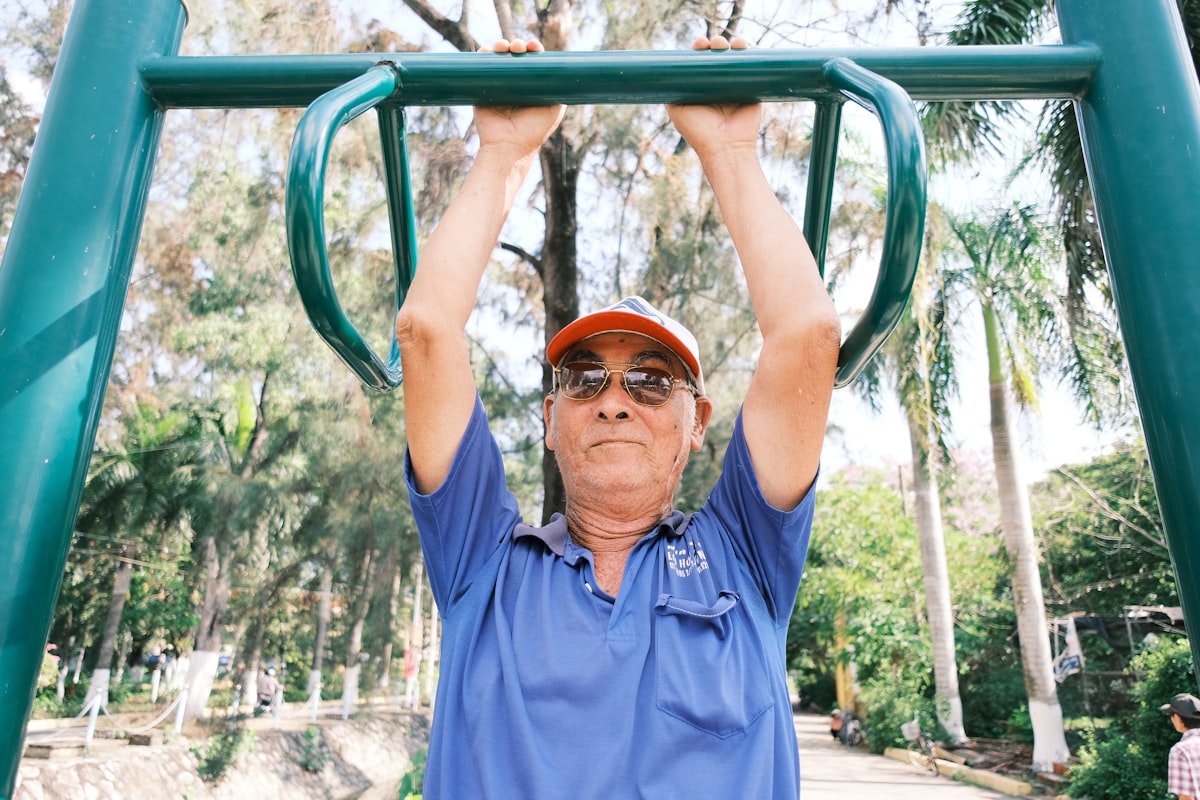
Men who exercise 150+ minutes of moderate aerobic activity weekly report stronger, more reliable erections, better stamina, and higher energy throughout the day. Strength training 2–3 times per week combats age-related muscle loss and maintains metabolic health. Even low-intensity movement—daily walks of 30 minutes—significantly improves erectile function and reduces cardiovascular disease risk.
- 150+ min/week aerobic exercise (brisk walking, cycling, swimming) boosts blood flow and erectile response
- Strength training 2–3x/week preserves muscle, testosterone, and metabolic health
- Pelvic floor exercises strengthen erectile rigidity and improve control
Nutrition for Male Energy and Sexual Health
After 40, diet becomes increasingly critical. Poor nutrition—high in processed foods, low in antioxidants and micronutrients—accelerates erectile dysfunction, energy loss, and metabolic decline. Whole foods rich in zinc, selenium, L-arginine, and nitrates support testosterone, blood vessel function, and sexual response. Processed foods high in refined sugars and unhealthy fats promote inflammation and endothelial dysfunction (poor blood vessel health), directly weakening erections.
A Mediterranean-style diet—rich in vegetables, fish, olive oil, nuts, and whole grains—supports cardiovascular health, prostate wellness, and consistent energy. Hydration also matters: dehydration reduces blood volume and worsens erectile response. Men who upgrade their diet often report improved stamina, better mood, and stronger sexual function within weeks.
- Vegetables, fish, nuts, whole grains provide zinc, arginine, and antioxidants for sexual health
- Reduce processed foods to lower inflammation and improve blood vessel function
- Stay hydrated (8+ glasses daily) for better blood volume and erectile response
Foods That Support Male Energy and Sexual Wellness
These nutrient-dense foods are scientifically linked to improved erectile function, higher testosterone, better energy, and prostate health in men over 40.
Oysters and Shellfish
Oysters are among the richest natural sources of zinc, essential for testosterone production and sperm health. Zinc also supports immune function and wound healing. A single oyster can contain 5–10 mg of zinc—about half the daily requirement.
Benefits: Higher testosterone, stronger erections, better sexual endurance
Dark Leafy Greens
Spinach, kale, and arugula are rich in nitrates that convert to nitric oxide—the key molecule for relaxing blood vessels and improving blood flow to the penis. High folate content also supports cardiovascular health and erection quality.
Benefits: Better blood flow, firmer erections, improved stamina
Dark Chocolate (85%+)
Dark chocolate contains phenylethylamine and serotonin precursors that boost mood and sexual arousal. The flavonoids improve blood vessel function and endothelial health, supporting consistent erectile response.
Benefits: Enhanced arousal, better mood, improved blood flow
Watermelon
Rich in citrulline, an amino acid that the body converts to arginine, which relaxes blood vessels and increases blood flow. This fruit contains compounds that support healthy blood vessel function and circulation.
Benefits: Improved erectile response, better cardiovascular blood flow
Salmon and Fatty Fish
Omega-3 fatty acids improve cardiovascular health, reduce inflammation, and support blood vessel flexibility. High vitamin D content supports testosterone production and mood regulation. Salmon also contains selenium for prostate and thyroid health.
Benefits: Stronger erections, lower inflammation, better energy
Red Wine (Moderate Intake)
Red wine contains resveratrol, a powerful antioxidant that improves blood vessel function and sexual response in men. Moderate consumption (1 glass daily) is associated with better cardiovascular health and erectile function in studies.
Benefits: Improved erectile function, better vascular health, relaxation
Nuts and Seeds
Almonds, walnuts, and pumpkin seeds are rich in arginine, zinc, and magnesium—all critical for blood flow, testosterone, and energy. A handful daily provides sustained fuel and supports muscle recovery from exercise.
Benefits: Higher energy, better sexual response, muscle preservation
Chili Peppers
Capsaicin in chili peppers increases heart rate, improves blood circulation, and causes blood vessels to dilate—mimicking sexual arousal. The heat also boosts metabolism and energy production throughout the day.
Benefits: Increased blood flow, higher energy, improved arousal
Garlic
Allicin, the active compound in garlic, improves blood flow and reduces blood pressure. Studies show garlic consumption is associated with better erectile function and improved cardiovascular health in aging men.
Benefits: Better blood pressure, improved erectile response, heart health
Understanding Male Energy and Sexual Response After 40
Testosterone and Vitality
Testosterone naturally declines about 1% per year after age 30. By 40–45, many men experience noticeably lower energy, reduced libido, and weaker sexual response. This isn't a medical condition—it's a biological shift that can be managed through lifestyle choices. Sleep, exercise, stress control, and nutrition directly influence testosterone levels and sexual function.
Sexual response becomes more complex after 40. Erections may require more direct stimulation, take longer to achieve, or not be as rigid. Refractory period (time between erections) lengthens. These changes are universal and don't indicate dysfunction—they reflect normal physiology. Understanding this shift reduces anxiety and improves intimacy through adaptation.
Many men find that consistent exercise, better sleep, reduced stress, and open communication with partners actually deepen sexual satisfaction despite physical changes. Focusing on overall health rather than speed or intensity often leads to better outcomes.
Daily Habits to Support Male Energy
Morning Light Exposure
15–30 minutes of bright light (sunlight or blue-spectrum light) within 2 hours of waking sets your circadian rhythm, boosts cortisol timing, and improves testosterone production throughout the day.
Consistent Meal Timing
Eating at regular times (breakfast within 1–2 hours of waking) stabilizes blood sugar, energy, and hormonal rhythms. Skipping meals or eating irregularly disrupts testosterone and saps stamina.
Hydration Matters
Dehydration impairs blood flow, energy, and erectile function. Drinking 8–10 glasses of water daily (more if exercising) supports cardiovascular health and stamina.
Daily Movement
A 30-minute walk daily—preferably in nature or outdoors—reduces stress, improves blood flow, and supports erectile health without requiring gym access.
Pelvic Floor Strengthening
Kegel exercises (contracting the muscle that stops urination) 2–3 minutes daily improve erectile rigidity and control. Many men notice stronger, longer-lasting erections within 4–6 weeks.
Mindfulness or Breathing
10 minutes of deep breathing, meditation, or progressive muscle relaxation daily lowers cortisol, improves focus, and enhances sexual confidence and arousal.
Prostate Health and Male Wellness

The Prostate and Overall Male Health
The prostate—a walnut-sized gland that produces seminal fluid—becomes increasingly important to monitor after 40. Benign prostate enlargement (BPH) affects about half of men by age 50, causing urinary changes like frequent nighttime urination, weak stream, or hesitation. While BPH is not cancer and usually doesn't threaten life, it significantly impacts quality of life and sleep, which cascades into lower energy and reduced sexual function.
Prostate health is supported by the same lifestyle habits that improve sexual health: exercise, healthy diet, stress management, and adequate sleep. Zinc, selenium, and lycopene (found in tomatoes) have strong research support for prostate wellness. Many men find that addressing diet and exercise naturally reduces urinary symptoms and improves overall comfort and sleep quality.
Unlike erectile changes—which are purely about blood flow and response—prostate issues are about tissue growth and urinary comfort. Both are normal age-related changes, but both respond well to lifestyle intervention.
Lifestyle Support for Prostate Wellness
Reduce Processed Foods
High-sugar and high-fat processed foods promote inflammation and prostate enlargement. Whole grains, vegetables, and lean proteins reduce inflammation and support urinary health.
Limit Alcohol and Caffeine
Both alcohol and caffeine irritate the bladder and worsen urinary symptoms like frequency and urgency. Reducing evening intake particularly improves nighttime urination and sleep quality.
Stay Physically Active
Sedentary men have higher rates of prostate issues. Regular aerobic exercise and strength training improve blood flow to the prostate and reduce inflammation.
Foods Rich in Lycopene
Tomatoes, watermelon, and pink grapefruit contain lycopene, a powerful antioxidant linked to prostate health. Cooking tomatoes increases lycopene bioavailability.
Zinc-Rich Foods
The prostate concentrates zinc. Oysters, pumpkin seeds, beef, and cashews support prostate tissue health and function.
Manage Pelvic Floor
Pelvic floor tension (from prolonged sitting or stress) can worsen urinary symptoms. Stretching and relaxation exercises ease symptoms.
30-Day Wellness Checklist for Men Over 40
Small daily changes compound into major shifts in energy, sexual health, and overall vitality. This checklist covers the most impactful habits.
Sleep & Recovery
- Bedtime: Same time daily (±30 min)
- Sleep environment: Cool (60–67°F), dark, quiet
- Screen cutoff: No screens 1 hour before bed
- Duration: Target 7–9 hours nightly
- Morning light: 15 min sunlight within 2 hours of waking